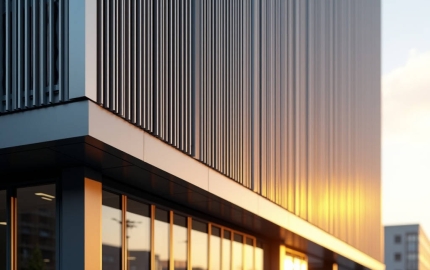
Slotted Aluminum Metal Sheet Wind Load Drainage and Cut Edge Engineering for Facades
Slotted aluminum metal sheet facade engineering covers slot geometry, wind load reduction, drainage, coating cut-edge performance, and fabrication tolerances for solid panels.

Dynamic Aluminum Facade Engineering Material Selection and Cost Analysis for Kinetic Building Envelopes
Dynamic Aluminum Facade systems span kinetic, wind-responsive, and optically dynamic fixed panels. This article covers material specs, fatigue analysis, perforation strategies, and cost benchmarks for solid aluminum cladding.

5005 H34 Aluminum for Architectural Cladding Anodizing Performance and Fabrication Guide
5005 H34 Aluminum delivers balanced strength, superior anodizing quality, and marine-grade corrosion resistance for architectural cladding. Covers temper mechanics, fabrication, and coating compatibility.
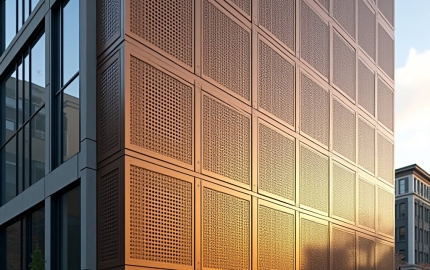
Square Perforated Aluminum Sheet Engineering for Facade Wind Load and Corrosion Control
Square perforated aluminum sheet engineering for facades: wind load, open area, cut-edge corrosion, and fixing design decisions that determine panel performance.
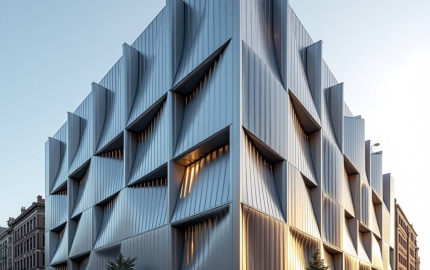
Dynamic Aluminium Facade Engineering for Passive Geometric Movement in Solid Panel Systems
Dynamic Aluminium Facade engineering guide covering solid panel geometry, wind load calculations, thermal movement, and coating specs for passive kinetic effects. Practical data for architects and contractors.

5052 Aluminum Alloy in Solid Cladding Temper Selection Fatigue and Marine Corrosion Performance
5052 Aluminum Alloy cladding panels deliver proven corrosion resistance, fatigue strength, and formability for marine and industrial facades. Covers temper selection, welding, and coating adhesion.
How Wind Load Drives Panel Gauge Selection with Vertex Aluminum Facade Corp
Vertex aluminum facade corp panel gauge selection driven by wind load calculations, deflection limits, alloy choice, and PVDF coating specs for high-rise rainscreen facades.
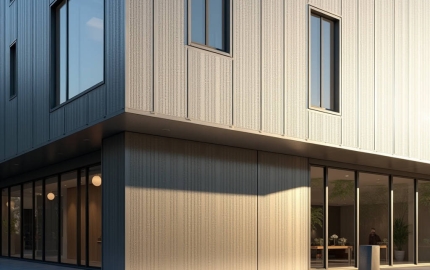
Interactive Aluminum Facade How Solid Panels Respond to Light Heat and Wind Without Electronics
Interactive Aluminum Facade systems use solid aluminum panels that respond to light, thermal shifts, and wind pressure without electronics. This guide covers perforation, coatings, substructure, and QC for long-term passive performance.
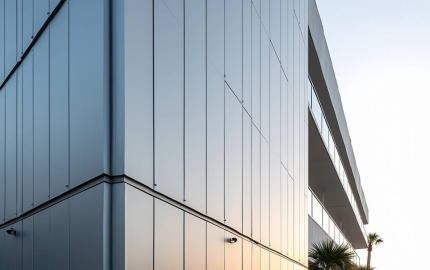
5052 H32 Aluminum for Solid Cladding Panels Marine Grade Performance and Fabrication Data
5052 H32 Aluminum delivers marine-grade corrosion resistance and reliable formability for solid aluminium cladding panels. Explore temper mechanics, bend radius guidelines, weld HAZ behavior, PVDF and anodizing compatibility, coastal performance data, and ASTM B209 specification requirements for facade engineers and procurement teams.

How Vertex Aluminum Facade Corporation Controls Wind Deflection and PVDF Tolerance in Solid Aluminium Cladding
Vertex aluminum facade corporation engineering focuses on wind load deflection, PVDF coating performance, and fabrication tolerances for solid aluminium cladding panels.
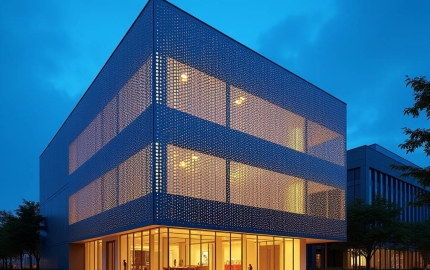
Illuminated Aluminum Facade Engineering Perforation Design LED Integration and Weatherproofing
Illuminated aluminum facade engineering demands precise integration of perforated solid aluminum panels with LED systems. This article covers alloy selection, perforation physics, thermal management, and serviceability.
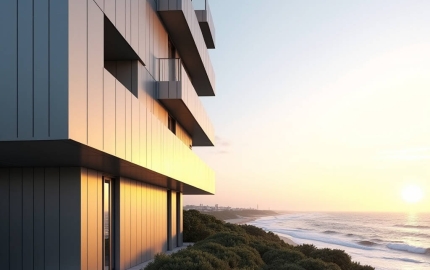
5754 Aluminum Alloy Solid Cladding Panels Marine Corrosion Resistance and Temper Selection for Facade Engineers
5754 Aluminum Alloy delivers proven marine corrosion resistance and weldability for solid aluminium cladding. Explore temper selection, fabrication limits, and long-term facade performance.

LED Aluminum Facade Engineering Guide for Solid Cladding Integration and Thermal Performance
LED aluminum facade systems demand precise engineering across thermal management, waterproofing, and structural integration. This article examines panel integration methods, driver accessibility, and coating compatibility for 15-year performance.

6061 Aluminum Alloy in Solid Cladding Panels Engineering Thresholds and Cost Logic for Facade Teams
6061 Aluminum Alloy in solid aluminium cladding: engineering thresholds for wind load, thermal movement, corrosion, and cost. When to specify 6061 over 6063 for facade projects.
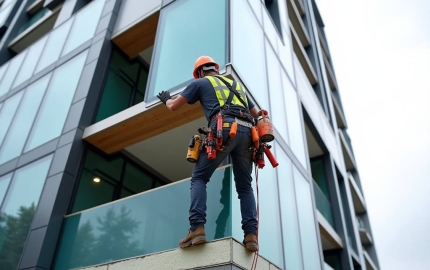
Aluminum Spandrel Panel Fire Performance Thermal Behavior and Coating Selection for Facade Engineers
Aluminum Spandrel Panel fire performance, thermal behavior, and coating durability guide for facade engineers. Covers solid aluminum panel specifications, installation realities, and global regulatory compliance.

6061 T6 Aluminum in Facade Engineering Structural Demands and Specification Pitfalls
6061 T6 Aluminum is a cornerstone alloy for load-bearing facade substructures. This article examines yield strength, corrosion resistance, thermal movement, fatigue behavior, and specification best practices for curtain wall engineering.
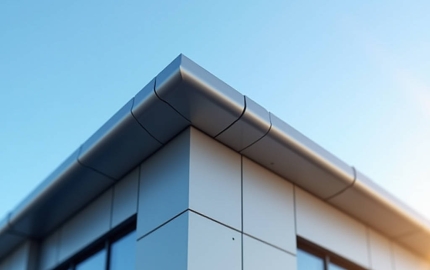
Aluminum Fascia Panel Engineering Guide for Commercial Building Envelope Performance
Aluminum Fascia Panel specification guide for commercial building envelopes. Covers alloy selection (3003 vs 5052), thermal movement calculations, PVDF coatings, and wind load engineering.
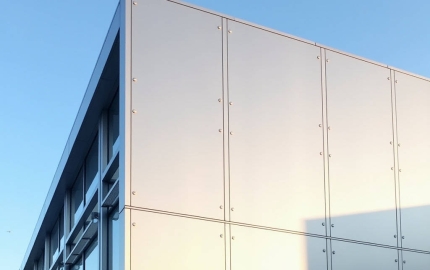
6063 Aluminum Alloy in Solid Cladding Panels Temper Selection Extrusion Limits and Coating Decisions
6063 Aluminum Alloy is the preferred substrate for extruded solid aluminium cladding panels. This article examines temper selection, corrosion behavior, extrusion design limits, and coating compatibility for facade engineers and procurement teams.
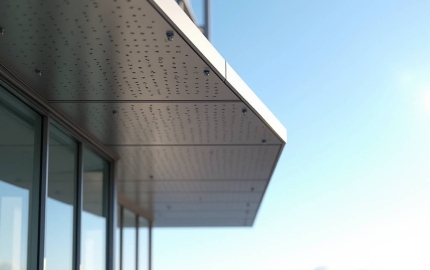
Aluminum Soffit Panel Engineering for Ventilated Coastal Facade Systems
Aluminum Soffit Panel engineering guide covering ventilated design, alloy selection for coastal environments, PVDF vs FEVE coating performance, and thermal movement joint design for commercial facades.

6063 T5 Aluminum Extrusion in Solid Aluminium Cladding Sub Frames Engineering and Specification Guide
6063 T5 Aluminum Extrusion serves as the backbone of solid aluminium cladding systems. This article examines T5 temper mechanics, thermal compatibility with panels, anodizing vs PVDF finishing, wind load span tables, and QA protocols for facade engineers and procurement teams.
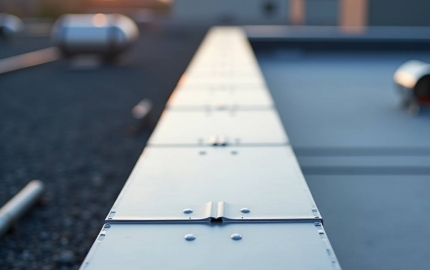
Aluminum Coping Panel Engineering Guide Alloy Selection Wind Uplift and Splice Joint Design
Aluminum Coping Panel specification guide covering alloy selection, wind uplift per ANSI/SPRI ES-1, splice joint design for thermal movement, and PVDF coating performance. Technical analysis for architects and contractors.