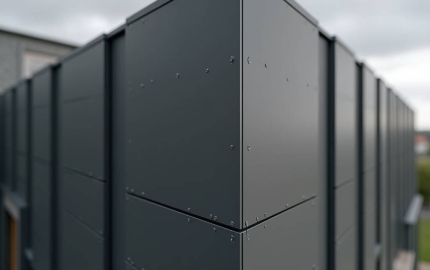
Prefa Aluminium Cladding Rainscreen Performance And Solid Panel Specifications
Prefa aluminium cladding systems require precise solid panel specifications for ventilated rainscreen performance. Technical analysis of thickness, coatings, and wind load compliance.
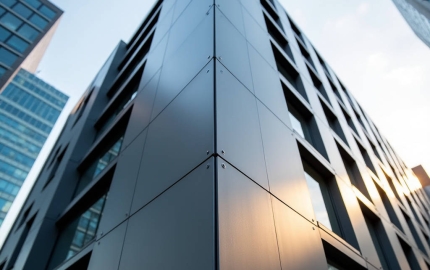
Dry Joint Aluminum Facade Engineering Wind Load Thermal Performance and Lifecycle Cost Analysis for Solid Panel Systems
Dry Joint Aluminum Facade systems eliminate field-applied sealant through mechanical interlock and pressure-equalized rainscreen design. Explore wind load data, thermal performance, and lifecycle cost comparisons for solid aluminum panels.
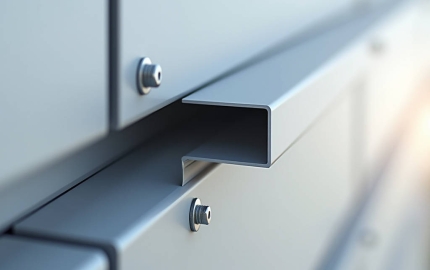
Aluminum Corner Cleat Engineering for Solid Aluminium Rainscreen Facades Load Distribution and Failure Prevention
Aluminum Corner Cleat engineering for solid aluminium rainscreen façades: load distribution, thermal movement accommodation, galvanic corrosion prevention, and procurement quality checks for durable building envelope performance.
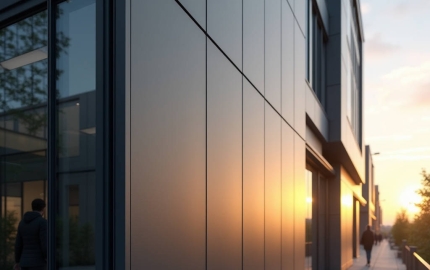
ACM Facade Panels Versus Solid Aluminum Cladding Technical Comparison
ACM facade panels are often specified for flatness, yet solid aluminium cladding offers superior impact resistance and fire safety. Compare technical data for commercial facades.
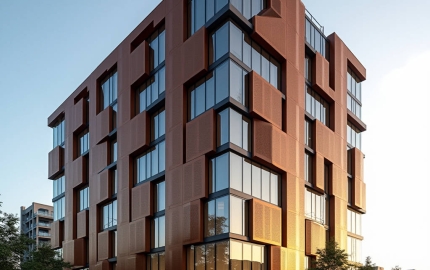
Custom Aluminum Facade Engineering From Alloy Selection to Wind Load and Finish Performance
Custom Aluminum Facade systems engineered from solid aluminium panels: how alloy selection, wind load calculations, PVDF and anodized finish specs, and attachment methods shape long-term facade performance.
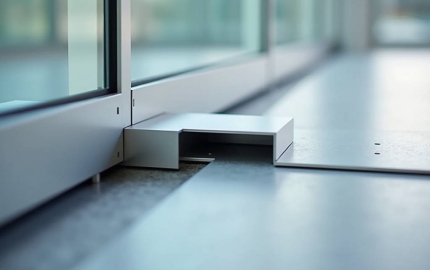
Aluminum Expansion Joint Profile Engineering for Thermal and Seismic Facade Performance
Aluminum Expansion Joint Profile selection depends on movement capacity, alloy grade, and finish. This article covers thermal and seismic engineering logic, 6063 vs 6061 alloys, and installation practices for durable facade performance.
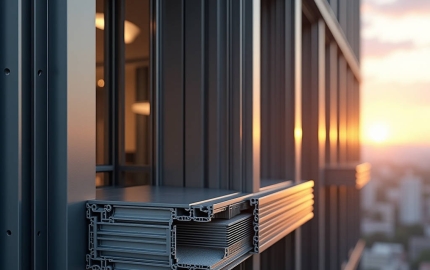
Engineering Solid Aluminium Building Facade Panels for Complex Geometries and Wind Loads
Aluminium building facade systems require precise engineering for wind loads and geometry. Technical guide on solid panel fabrication, coatings, and structural performance.
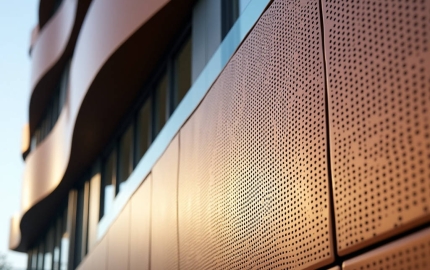
Bespoke Aluminum Panel Engineering From Alloy Selection to Wind Load Performance on Custom Facades
Bespoke Aluminum Panel engineering demands precise alloy selection, coating chemistry, and wind load analysis. This article covers 5052 vs 5005 alloys, PVDF performance, perforation stiffness, and attachment design for custom facade projects.
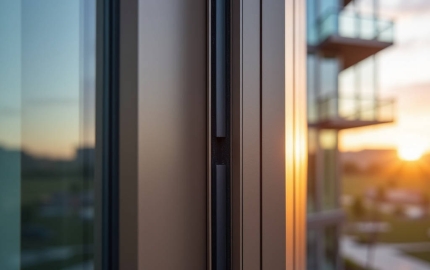
Aluminum Movement Joint Profile Thermal and Structural Engineering for Curtain Wall Facades
Aluminum Movement Joint Profile engineering for curtain wall facades: thermal movement calculations, alloy selection (6063-T5 vs 6061-T6), EPDM infill specs, anchorage design, and seismic performance requirements for international projects.
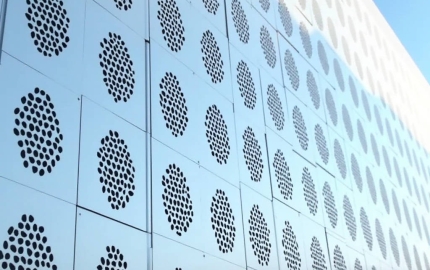
Oval Perforated Aluminum Sheet Structural Integrity and Ventilation Performance
Oval perforated aluminum sheet balances facade ventilation with structural strength. Analyze open area ratios, wind load capacity, and PVDF finish durability for commercial cladding projects.
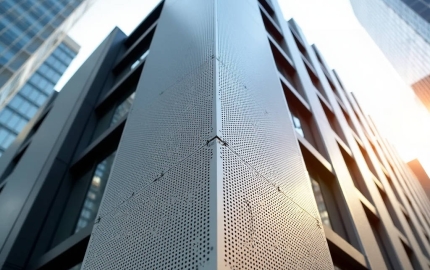
Decorative Aluminum Panel Engineering for Perforated Facades Under Wind Load
Decorative aluminum panel engineering for perforated facades: how open area ratios, wind load, coating edge coverage, and attachment systems affect structural performance and long-term durability.
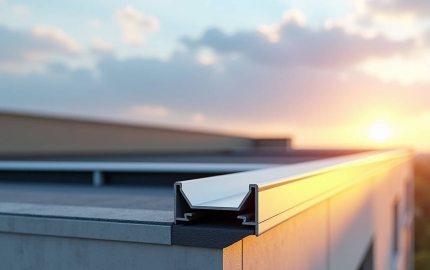
Aluminum Coping Bracket Engineering for Wind Load and Thermal Movement in Parapet Design
Aluminum Coping Bracket selection determines parapet wind resistance and long-term watertightness. Covers alloy grades, bracket spacing calculations, thermal movement, secret-fix vs face-fix systems, and ANSI/SPRI ES-1 compliance.
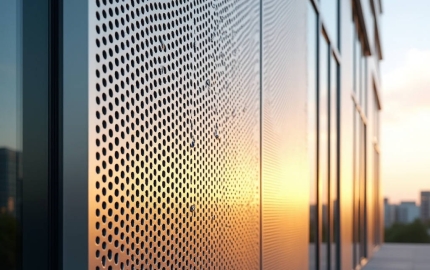
Perforated ACP Sheet Design Intent Realized Through Solid Aluminium Cladding Panels
Perforated acp sheet aesthetics achieved with solid aluminium cladding panels. Technical specs for CNC perforation, PVDF durability, and structural performance in commercial facades.
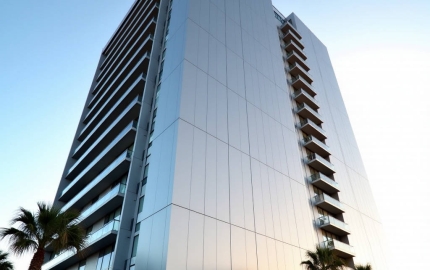
Architectural Aluminum Panel Engineering From Alloy Choice to Flatness on the Wall
Architectural Aluminum Panel systems demand precise engineering for alloy selection, PVDF coating compliance, stiffener design, and thermal movement. This article covers the structural and finishing factors that determine facade longevity.
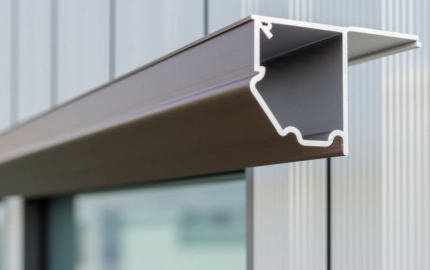
Aluminum Drip Flashing Specification for Commercial Building Envelope Water Management
Aluminum Drip Flashing specification guide for commercial building envelopes: profile geometry, PVDF coating systems, wind load performance, and rainscreen integration. Covers AAMA 2605 standards, material thickness selection, and common installation failure prevention for architects and facade contractors.
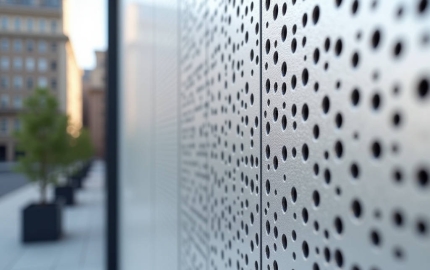
Perforated Aluminium Composite Panel Alternatives for Structural Facades
Perforated aluminium composite panel alternatives using solid aluminium offer superior structural integrity and fire safety for ventilated facades and equipment screens.
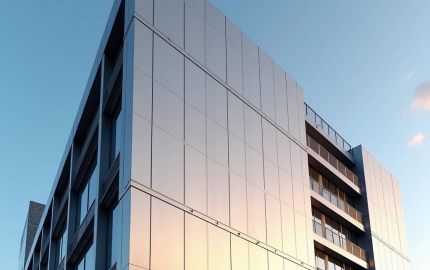
Solid Aluminum Facade Engineering From Alloy Selection to Wind Load and Coating Performance
Architectural Aluminum Facade engineering guide covering alloy selection, wind load deflection limits, PVDF and FEVE coating performance data, rainscreen substructure design, and procurement cost structure for solid aluminum cladding panels.
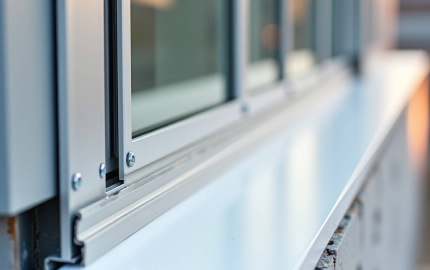
Aluminum Sill Flashing Engineering for Commercial Building Envelope Water Management
Aluminum Sill Flashing is the engineered metal barrier at window and door sill openings that prevents water intrusion in commercial facades. This article examines alloy selection, end dam and back dam geometry, air barrier integration, fabrication tolerances, weep system design, and thermal movement accommodation for high-performance building envelopes.
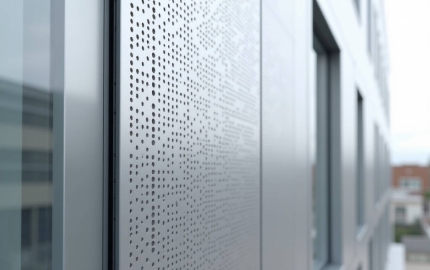
Structural Integrity And Wind Load Design For Perforated Aluminium Panels Facade Systems
Perforated aluminium panels facade systems require precise wind load analysis and structural reinforcement. Learn how open area ratios affect engineering specs and installation safety.
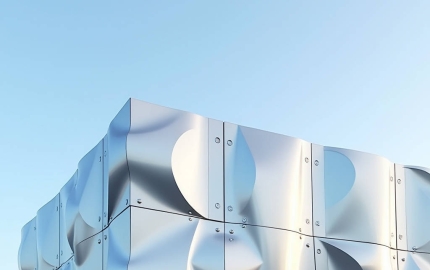
3D Aluminum Panel Engineering and Fabrication Guide for Commercial Facade Systems
3D Aluminum Panel systems fabricated from solid aluminum plate deliver sculptural depth through CNC folding, stamping, or welded assembly. Covers alloy selection, PVDF finishing, wind load engineering, and installed cost ranges for commercial facades.
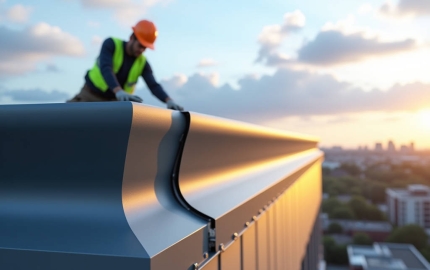
Aluminum Parapet Cap Wind Load Design and Thermal Movement Engineering for Commercial Buildings
Aluminum Parapet Cap systems demand rigorous engineering for wind resistance, thermal movement, and water management on commercial buildings. This article covers ES-1 testing standards, coating specifications, and fabrication tolerances that determine long-term envelope performance.